Tips for Maintaining a Healthy Indoor Garden Throughout the Year
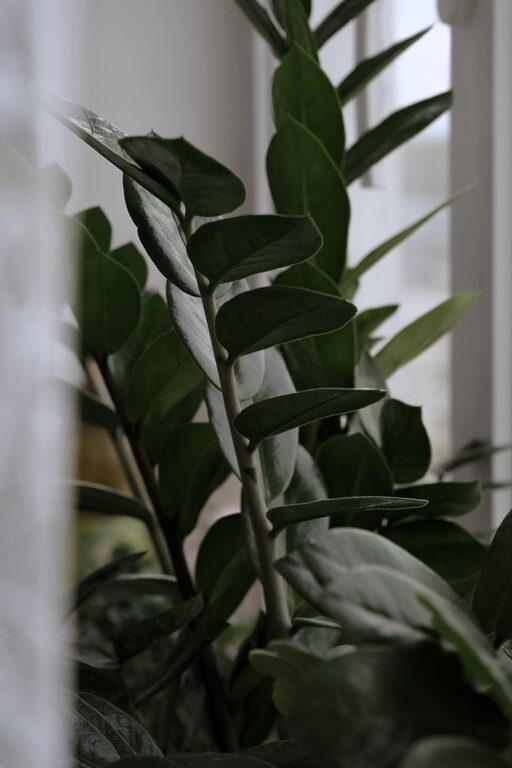
Indoor gardening is a wonderful way to bring nature inside, improve air quality, and add beauty to your living space. Whether you have a few potted herbs on your kitchen windowsill or a collection of houseplants throughout your home, maintaining a healthy indoor garden takes a bit of care and attention — all year long. In this post, we’ll share practical tips on how to nurture your indoor plants, adapt to seasonal changes, and create an environment where your garden can flourish.
Understanding Your Indoor Garden’s Needs
Every plant has unique requirements, but some basic care principles apply universally to indoor gardens:
– Light: Most indoor plants need bright, indirect light. Understanding the light levels in your home helps you place your plants where they can thrive.
– Water: Overwatering is a common mistake. Plants need just the right amount of water, depending on their species and the season.
– Humidity: Many houseplants, especially tropical types, appreciate a humid environment.
– Temperature: Consistent temperatures that mimic natural conditions support healthy plant growth.
– Soil and Fertilizer: Good soil provides nutrients and drainage; occasional feeding promotes growth.
With these in mind, let’s explore ways to keep your indoor garden healthy throughout the year.
Choosing the Right Plants for Your Space
To set your garden up for success, start with plants suited to your light and space conditions. Some popular low-maintenance indoor plants include:
– Snake Plant (Sansevieria): Tolerates low light and infrequent watering.
– Pothos: Easy to grow and adapts well to varying light.
– Spider Plant: Prefers bright, indirect light and is tough to kill.
– Peace Lily: Likes shade and humid air.
– Herbs like Basil or Mint: Require bright light and frequent watering.
By selecting plants well-matched to your environment, you’ll reduce stress on the plants and your watering schedule.
Seasonal Tips for Indoor Plant Care
Although indoor plants are sheltered from the outdoor weather, they still experience changes due to shifts in light, humidity, and temperature throughout the year.
Spring and Summer
– Increase Watering: Warmer temperatures and longer days often mean plants need more water.
– Boost Humidity: Use a humidifier or mist plants regularly, especially if air conditioning dries the air.
– Light Adjustments: As sunlight intensity rises, monitor if plants need to be moved to avoid scorching.
– Fertilize: This is the prime growing season, so provide balanced fertilizer to encourage healthy growth.
Fall and Winter
– Reduce Watering: Plants grow more slowly and need less water during cooler, darker months.
– Maintain Humidity: Heating systems can dry air; consider grouping plants or using trays with water and pebbles.
– Optimize Light: Move plants closer to windows to make the most of available sunlight.
– Check for Pests: Pay attention to any signs of pests or disease as plants can become stressed during winter.
Key Daily and Weekly Maintenance Tasks
Consistency is key to a thriving indoor garden without overwhelming effort. Here are some tasks to keep on your routine:
– Watering: Check soil moisture every few days; water only when the top inch feels dry.
– Cleaning Leaves: Dust on leaves blocks light. Gently wipe with a damp cloth weekly.
– Rotate Plants: Turn plants periodically so all sides get equal light and grow evenly.
– Pruning: Remove dead or yellowing leaves to encourage healthy new growth.
– Inspect for Pests: Look under leaves and on stems for any bugs.
Tips to Improve Indoor Garden Environment
Creating the right environment boosts your plants’ health and eases your maintenance efforts.
– Use Appropriate Pots: Ensure containers have drainage holes to prevent standing water.
– Choose Quality Potting Mix: Use soil formulated for indoor plants rather than garden soil.
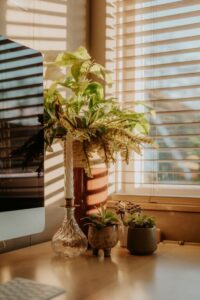
– Position Near Windows: South or east-facing windows often provide optimal light.
– Group Plants: Grouping increases humidity by trapping moisture released through transpiration.
– Maintain Cleanliness: Remove fallen leaves and dead material regularly to avoid mold and pests.
Troubleshooting Common Indoor Plant Problems
Even with the best care, problems can arise. Here’s how to spot and address some common issues:
– Yellowing Leaves: Often caused by overwatering or poor drainage. Check soil and adjust watering habits.
– Brown Leaf Tips: Could signal low humidity or fluoride sensitivity; increase humidity and use filtered water.
– Pests: Spider mites, aphids, or mealybugs can appear. Use natural insecticidal soap or wipe leaves to control them.
– Leggy Growth: Stems stretching toward light indicate insufficient lighting. Move plants to brighter spots.
Addressing issues early keeps your indoor garden strong.
Conclusion
Maintaining a healthy indoor garden throughout the year is both enjoyable and rewarding. With the right plants, proper routines, and adjustments for seasonal changes, your indoor garden can flourish in any season. Remember, plants communicate their needs through their leaves, stems, and growth patterns — paying attention will make your gardening experience even more satisfying.
Start small, observe, and enjoy the fresh green touch indoor plants bring to your space all year round!